Pattaya Days Gone
An ordinary backup from an extraordinary website

Yesterday, I had to renew my truck insurance. This required the following steps:
- Fill in three forms and scan them.
- Scan my passport, print the scan, sign the printed document and re-scan it.
- Send all four scans to my insurance company by email.
On an average day I reckon this would take me fifteen minutes. Yesterday, it took me all day.
There is a darkness that comes upon me. There is depression and there is apathy. I have to go to the desk and retrieve my passport in order to scan it. That just seems like to much work and instead I just sit, staring at a computer screen or at a wall, or maybe I consume some downloaded media without paying it much attention. Having spent twelve hours doing what should take fifteen minutes, I was exhausted and grumpy and just wanted to sleep.
Off to shoot polo this afternoon and the weather was not at all interested in being co-operative; in fact it pissed it down for more than two hours.
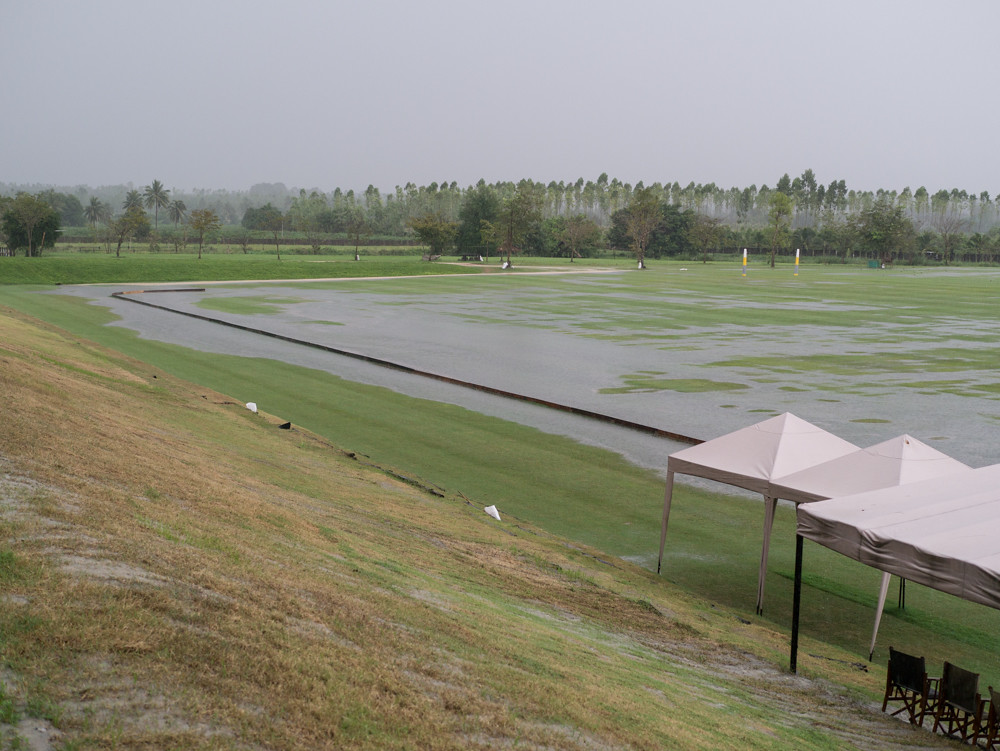
General Petraeus flies in for some covert insertions:

Every time I put my truck in for a major service, they wash it. This saves me the trouble and (minimal) expense of arranging to have the thing washed; so it tends to go dirty for up to six months.
I must admit it gets pretty disgusting, both inside and out. The headlights can’t pierce the crust of mud, and the windows appear to have new life forms living on them. Still, I have a service coming up soon so was planning to wait till then. But the attitude of the monkeys at the zoo made me change my mind.
This is disgusting! I am not sullying my paws on this muck:

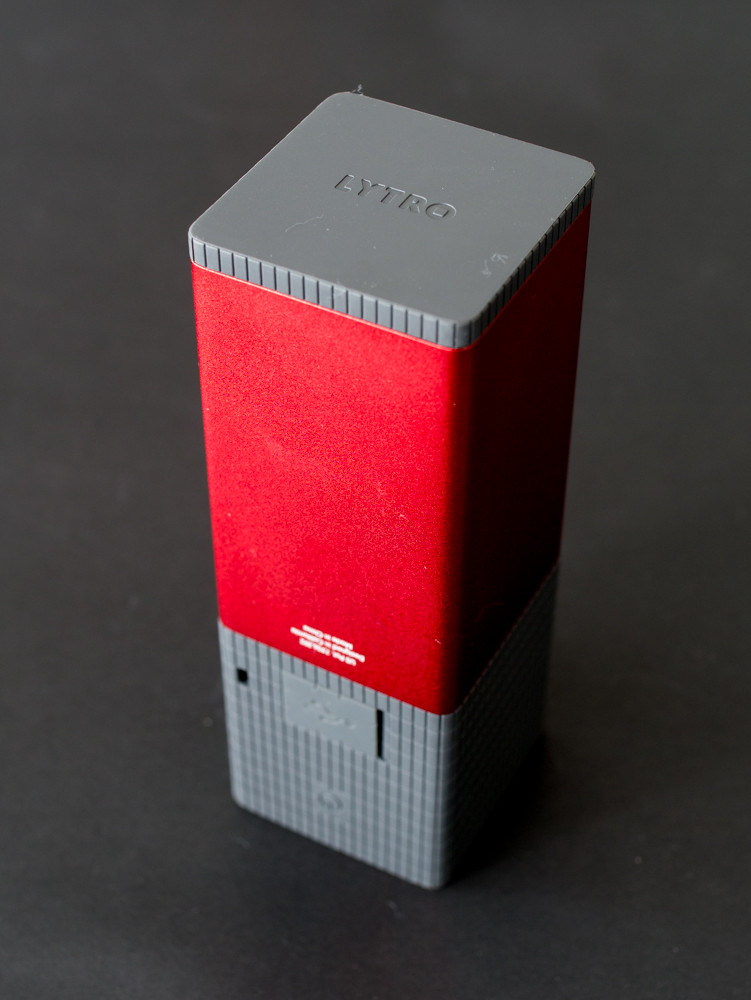
The Lytro camera is the world’s first consumer light field, or plenoptic, camera.
If you want to understand more about the science behind a light field camera, then Google is your friend. For this review it is sufficient for you to know that capturing the light field allows you to choose the focus point for the image after it has been taken. How useful is that? Your answer to that question may help you decide whether a Lytro is worth your money.
So let’s get the money side of things out of the way first. An 8GB model will cost you $399, a 16GB model will cost you $499. The 8GB will hold 350 images, the 16GB holds 750; although the battery may not last long enough for that many shots. It’s a lot of money; but as the only other light field camera on the market (for industrial use) can cost you up to $30,000, you might feel that this is a reasonable price for a neatly packaged chunk of cutting-edge technology. Plus, it comes in a choice of colours which must be worth something.
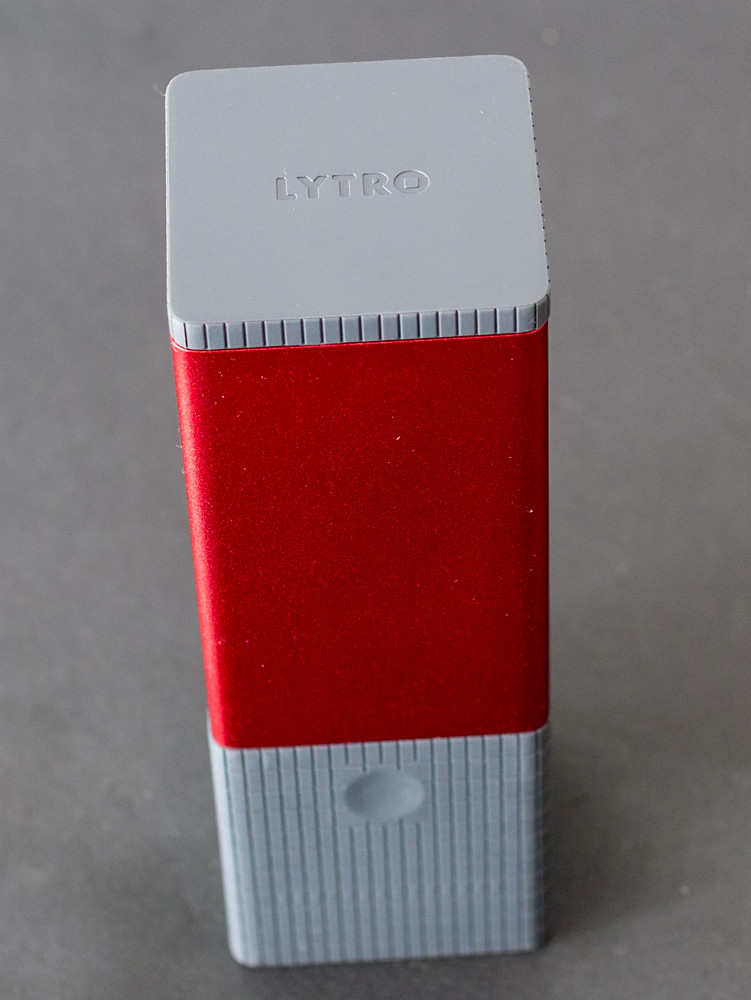
On first inspection, it looks nothing like a camera:

We’re doomed!

A morning trip to Khao Kheow Open Zoo. The hundred baht entrance fee, plus fifty baht per car, is excellent value and we spent several happy hours waiting in vain for animals to strike the required pose. I took the Olympus 75mm and the Panasonic 100-300mm and they both provided good service.

Spacefruit is a man of many qualities, not least of which is his tendency to purchase interesting toys and pass them to me to play with. Yesterday he handed me this: